
World Osteoporosis Day takes place every year on October 20, with the International Osteoporosis Foundation (IOF) launching a year-long campaign dedicated to raising global awareness of the prevention, diagnosis and treatment of osteoporosis and metabolic bone disease.

The 2015 campaign theme is Serve Up Bone Strength and aims to raise awareness for the right nutrients you need to stay healthy and strong. A balanced diet along with regular exercise will help optimize your bone health at all ages and reduce your risk of osteoporosis.

The goal of a bone healthy diet is to help:
Children and adolescents build maximum peak bone mass;
Adults maintain healthy bones and avoid premature bone loss; and
Seniors sustain mobility and independence.
As part of World Osteoporosis Day, IOF is calling on NOF and other national osteoporosis patient societies from around the world to help spread the message and promote better bone health through proper nutrition.
FIVE STEPS TO BETTER BONE HEALTH
Building strong bones throughout your lifetime will enable you to continue doing the things you enjoy for longer. It will also help you live independently, free of the pain and suffering caused by broken bones.
Take charge of your bone health today.
Regular exercise
Regular weight-bearing and muscle-strengthening exercises jogging brisk walking stair climbing are beneficial at all ages and important for maintaining strong bones and muscles.These should be performed for at least 30 minutes, 3–5 days per week. Muscle-strengthening or resistance exercises at least 2 days per week.

Don’t forget to target the major muscles around the hip and spine.If you have osteoporosis or spinal fractures you need to be cautious when doing activities that could lead to injury and you should have professional guidance when setting up a regular fitness routine.
Bone-healthy nutrients
Don’t let this ‘silent’ disease eat up your bones.Sufficient calcium, vitamin D and protein are essential for your bone and muscle health. Dairy foods such as milk, yoghurt, and cheese, have the highest amounts of calcium and also contain protein and other minerals that are good for bones.While dietary calcium is best, some people may need to take supplements if they can’t achieve their daily calcium goals from food alone.
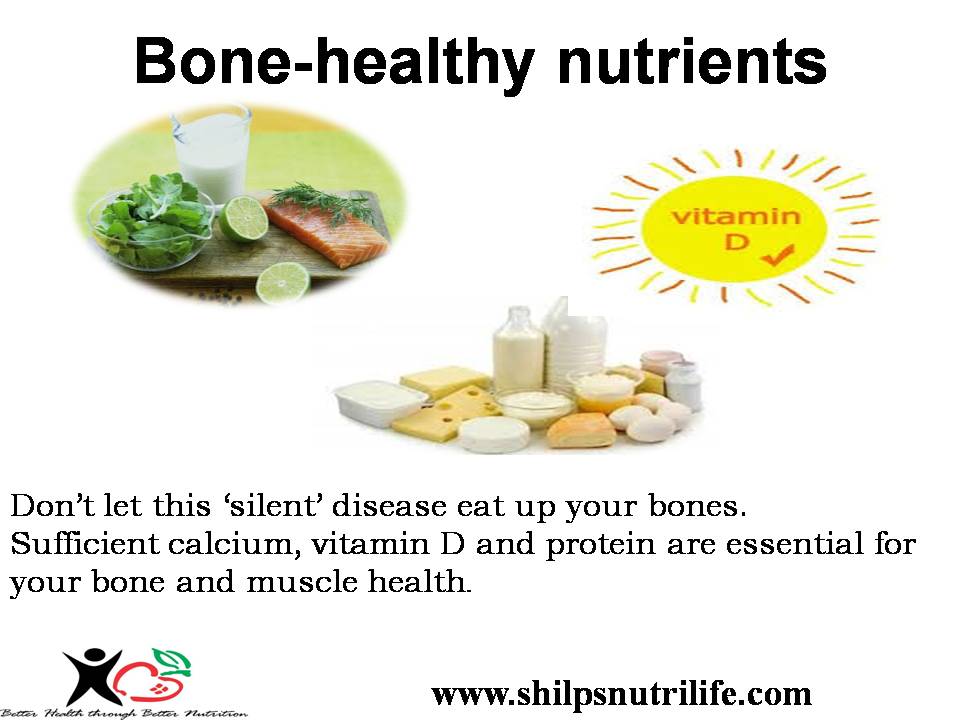
Most of the vitamin D in the body is produced from exposure of the skin to sunlight.However, depending on where you live, you may not be able to get enough vitamin D from safe exposure to sunlight alone. Small amounts of vitamin D are found in foods (e.g. egg yolk, salmon and tuna).
Avoid negative lifestyle habits
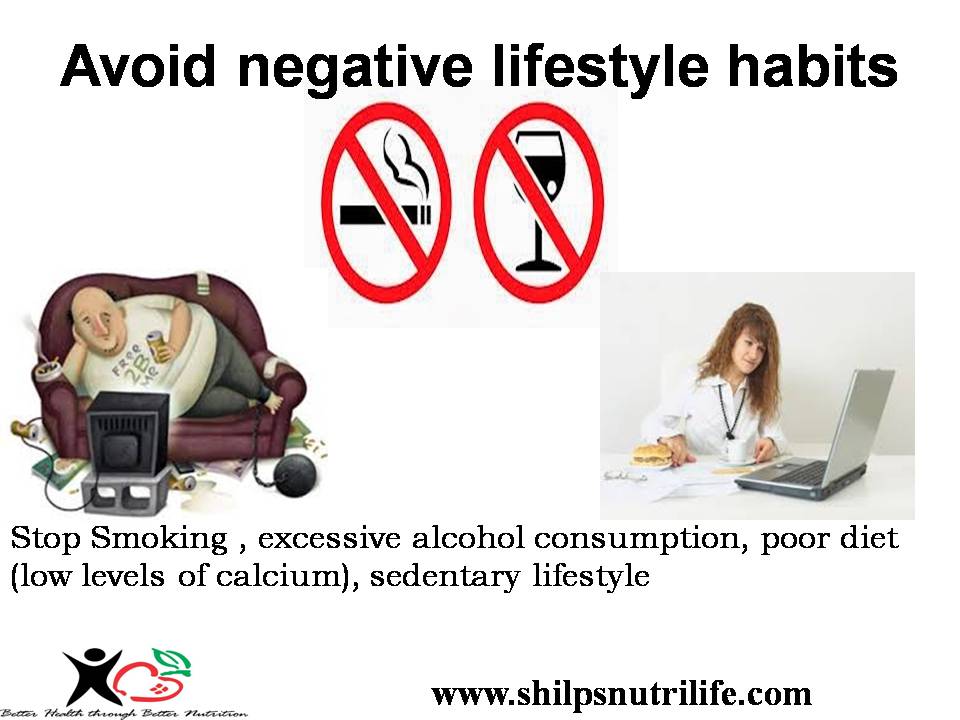
- Stop Smoking
- Excessive alcohol consumption (more than 2 units a day)
- Poor diet (low levels of calcium, less than 600 mg per day)
- Vitamin D deficiency/insufficiency
- Lack of physical exercise or excessive exercise that leads to low body weight
- Maintain a healthy weight, low body mass index (BMI <20) puts ypu at risk for fracture
Identify your risk factors
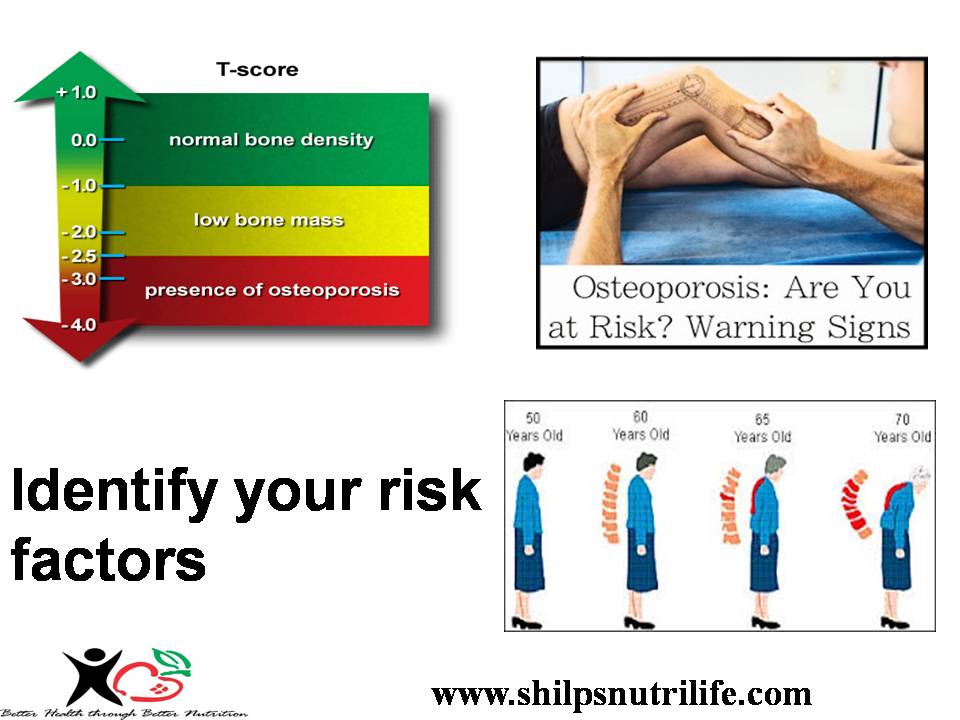
- Age – bone loss accelerates more rapidly at around age 70 years in men
- Family history of osteoporosis means you’re at higher risk
- A previous broken bone at the age of 50 years or over
- Long-term use of glucocorticosteroids (more than 3 months)
- Primary or secondary hypogonadism (testosterone deficiency
- Certain medications – in addition to glucocorticosteroids, other medications can also put you at increased risk. These include, but are not limited to, some immunosuppressants, thyroid hormone treatment in excess dosage, certain antipsychotics, anticonvulsants, anti-epileptic drugs, lithium, methotrexate, antacids and proton- pump inhibitors.
- Some chronic diseases – diseases that place you at risk include, but are not limited to, rheumatoid arthritis, inflammatory bowel disease (e.g. Crohn’s disease), diseases of malabsorption (e.g. celiac’s disease), type 1 and type 2 diabetes, hyperparathyroidism, chronic liver or kidney disease, lymphoma and multiple myeloma, hypercalciuria, and thyrotoxicosis.
Adhere to your treatment
Get Clinical assessment done which may include bone mineral density (BMD) measurement with a dual energy x-ray absorptiometry (DXA) scanner.This is a quick and noninvasive method to measure BMD at the hip and spine.
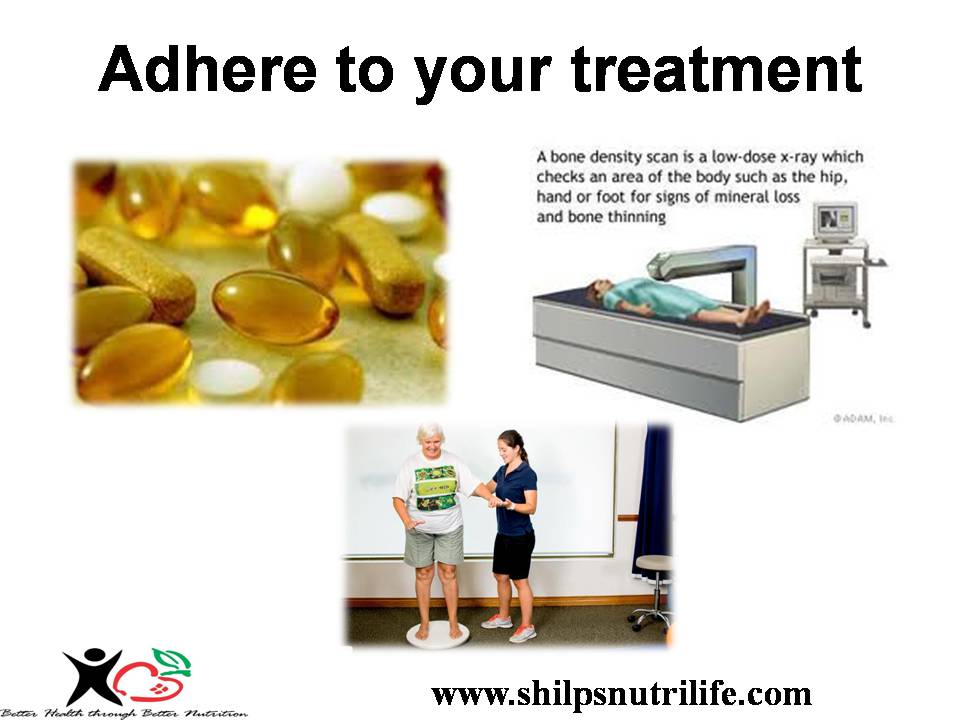
Make sure you comply with your prescribed treatment regimen Because the benefits of treatment are not always evident, many patients stop taking their medication – don’t let that happen to you.
By continuing on treatment you can protect your bones and avoid damaging and potentially life-threatening fractures.